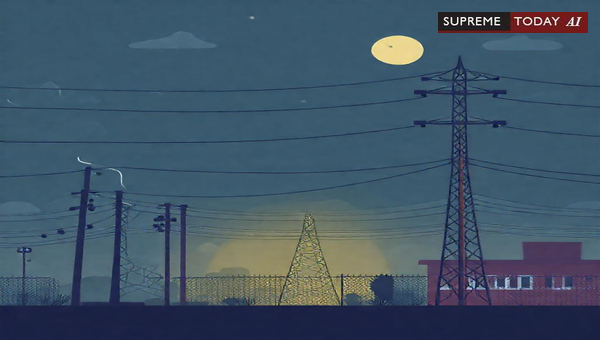
Strict Liability of Electricity Boards in India
Electricity is a vital utility, but its hazardous nature demands utmost care from suppliers. When accidents like electrocution occur due to faulty lines or poor maintenance, victims often turn to the law for justice. A key principle here is strict liability, which holds electricity boards accountable even without proving negligence. This blog delves into the strict liability of electricity boards, drawing from Indian court judgments to explain how it works, landmark cases, and what it means for compensation claims.
What is Strict Liability?
Strict liability originates from the English case Rylands v. Fletcher (1868), where a person engaging in hazardous activities is liable for damages caused by the escape of dangerous substances, regardless of fault. In India, this applies to electricity—a inherently dangerous substance.
As courts have repeatedly stated: The basis of such liability is the foreseeable risk inherent in the very nature of such activity. The liability cast on such person is known, in law, as 'strict liability'. 2014 Supreme(Online)(KER) 34216 and 2004 0 Supreme(MP) 319
Electricity boards, as statutory licensees under acts like the Indian Electricity Act, 1910, or Electricity Act, 2003, must ensure safety. Failure leads to liability without needing to prove carelessness.
Key Elements of Strict Liability for Electricity Boards
- Hazardous Activity: Transmitting high-voltage electricity creates foreseeable risks. 2008 Supreme(Online)(KER) 83
- No Fault Required: Unlike negligence, victims don't prove lapses; the board's duty is absolute. 2008 0 Supreme(Mad) 483
- Defenses Limited: Acts of God or third-party interference rarely absolve if preventable.
CHELLAMMA Vs K.S.E.B - 2009 Supreme(Online)(KER) 32125
Application to Electricity Boards
Indian courts consistently apply strict liability in electrocution deaths or injuries from snapped wires, low-hanging lines, or uninsulated poles. Boards cannot evade responsibility by claiming technical faults or unauthorized tapping.
In M.P. Electricity Board v. Shail Kumari, the Supreme Court emphasized: Electricity suppliers are strictly liable for damages caused by failure to ensure safety of live wires, regardless of negligence. 2008 Supreme(Online)(KER) 83 and 2007 0 Supreme(Gau) 796
Common Scenarios
- Snapped Wires: Boards must promptly disconnect power post-complaints. Liability holds if they fail. 2014 Supreme(Online)(KER) 34216
- Low-Hanging Lines: Violation of safety rules (e.g., Indian Electricity Rules, 1956 - Rules 29, 44, 45, 46) triggers liability. 2004 0 Supreme(MP) 319
- Parks/Public Areas: Joint liability with local bodies if wires endanger public spaces. 2007 0 Supreme(Gau) 796
Courts invoke res ipsa loquitur (the thing speaks for itself), inferring fault from the accident itself. 2014 0 Supreme(Ori) 535
Landmark Judgments on Strict Liability
Supreme Court Precedents
- M.P. Electricity Board v. Shail Kumari (2002): Affirmed strict liability for a child's death from a live wire. No need for negligence proof; boards must prevent escapes. 2008 Supreme(Online)(KER) 83 and 2013 0 Supreme(Mad) 1992
- Tamil Nadu Electricity Board Cases: Boards liable despite 'act of God' claims if safety lapses exist. Compensation up to Rs. 44 lakhs awarded. 2013 0 Supreme(Mad) 1992
High Court Rulings
- Kerala High Court: In electrocution appeals, boards' technical defenses rejected; strict liability mandates compensation. 2014 Supreme(Online)(KER) 34216 and 2014 Supreme(Online)(KER) 7515
- Meghalaya Case: Joint liability with urban departments for park electrocutions; Rs. 3 lakhs awarded. 2007 0 Supreme(Gau) 796
- J&K Electricity Act Cases: Low wires killing minors lead to Rs. 10 lakhs compensation under public law. 2023 0 Supreme(J&K) 126
A consistent quote across cases: The doctrine of strict liability applies to the electricity board, necessitating compensation despite their technical defense. 2014 Supreme(Online)(KER) 34216
Defenses and Exceptions
Electricity boards often argue:- Act of Stranger: Illegal tapping or vandalism. Courts counter: Boards must anticipate and secure lines.
CHELLAMMA Vs K.S.E.B - 2009 Supreme(Online)(KER) 32125
- Act of God: Storms snapping wires. Rejected if prior complaints ignored or maintenance poor. 2008 0 Supreme(Mad) 483- Victim's Fault: Rare success; strict liability prioritizes public safety.Merely because the illegal act could be attributed to a stranger is not enough to absolve the liability of the Board regarding the live wire lying on the road. 2024 0 Supreme(Telangana) 396
Calculating Compensation
Courts use Motor Vehicles Act principles for quantification:1. Notional Income: Rs. 3,000-15,000/month for unproven earners, adjusted for inflation. 2023 0 Supreme(Guj) 9172. Multiplier Method: Age-based (e.g., 17 for 30s). Add 30-50% future prospects. 2023 0 Supreme(P&H) 30203. Interest: 6-9% from accident date.
Examples:- Rs. 1.5-19.6 lakhs for deaths.
VARGHESE vs K.S.E.BOARD - 2013 Supreme(Online)(KER) 1857
2023 0 Supreme(P&H) 3020- Rs. 10 lakhs for minors/casual workers. 2023 0 Supreme(J&K) 126Government policies (e.g., ex-gratia) supplement but don't limit tort claims. 2023 0 Supreme(Gau) 338
Writ Petitions and Public Law Remedies
Article 226 allows compensation claims against boards as 'State' under Article 12. No civil suit needed initially; High Courts direct payments. 2014 0 Supreme(Ori) 535 and 2024 0 Supreme(Chh) 4
Key Takeaways
- Electricity boards face strict liability for electrocutions due to inherent dangers—no negligence proof required.
- Safety Duties Absolute: Maintain lines per rules; prompt response to faults.
- Victims' Rights: Claim via writs/suits; expect fair compensation.
- Prevention Focus: Boards must invest in insulation, patrolling.
Important Disclaimer
This post provides general information based on reported cases and is not legal advice. Legal outcomes vary by facts; consult a qualified lawyer for specific situations. Courts may differ in application. Always verify with primary sources.
In summary, the strict liability of electricity boards protects public safety, ensuring accountability in a high-risk sector. Stay safe and informed!