SupremeToday Landscape Ad

AI Overview

AI Overview...

  • Divorce Grounds - Several sources discuss the grounds for divorce under different laws. For instance, Source 2023 0 Supreme(Mad) 924 highlights that a divorce petition was filed on grounds of irretrievable breakdown and cruelty under the Divorce Act, with issues regarding violation of anti-suit injunctions and recognition of foreign judgments. Source 2024 0 Supreme(Guj) 135 mentions customary divorce deeds as valid grounds for divorce, emphasizing that once a customary divorce is executed, parties lose the right to seek relief under the Hindu Marriage Act. Sources 2023 0 Supreme(Mad) 924, 2024 0 Supreme(Guj) 135

  • Mutual Consent - Sources 2023 0 Supreme(Ker) 281 and

    Parvathamma VS Joint Director the Sainik Welfare and Resettlement - Current Civil Cases

    stress that mutual consent is essential for divorce under Section 13B, and such consent must persist until the decree is granted. The courts require clear evidence of ongoing mutual agreement; resiling from initial consent can invalidate the decree. Sources 2023 0 Supreme(Ker) 281,

    Parvathamma VS Joint Director the Sainik Welfare and Resettlement - Current Civil Cases

  • Ex-Parte Decrees - Sources

    Parvathamma VS Joint Director the Sainik Welfare and Resettlement - Current Civil Cases

    and 2024 0 Supreme(Kar) 160 discuss ex-parte divorce decrees. An ex-parte decree, granted without the respondent’s appearance despite service of notice, is contested on grounds of legality and fairness. Courts have held that such decrees are not always valid in law and can be recalled if procedural irregularities are proven. The Supreme Court emphasizes the serious implications of divorce stigma, especially when decrees are granted ex-parte. Sources

    Parvathamma VS Joint Director the Sainik Welfare and Resettlement - Current Civil Cases

    , 2024 0 Supreme(Kar) 160
  • Divorce on Merits and Court Decisions - Source 2024 5 Supreme 459 details a divorce decree based on grounds of desertion and cruelty, upheld by the High Court, with the trial court's findings on desertion being significant. Source 2023 0 Supreme(Mad) 1050 notes that a divorce decree granted by the trial court was later reversed by the appellate court, affecting the rights of parties post-decree. Sources 2024 5 Supreme 459, 2023 0 Supreme(Mad) 1050

  • Legal Recognition and Procedural Issues - Several sources emphasize procedural correctness, such as the necessity of filing mutual divorce petitions, proper service, and the recognition of foreign judgments. Ignoring procedural requirements or filing in incorrect jurisdictions can lead to orders being challenged or invalidated. Sources 2023 0 Supreme(Mad) 924, 2024 0 Supreme(Guj) 135, 2024 0 Supreme(Kar) 160

Analysis and Conclusion:Divorce laws in India recognize various grounds, including mutual consent, cruelty, desertion, and irretrievable breakdown, with specific procedures for each. Mutual consent divorce requires ongoing agreement, and ex-parte decrees are subject to legal scrutiny due to potential procedural flaws. Customary divorces are valid if properly executed, but they may preclude relief under other laws. Court decisions can be appealed or recalled if procedural irregularities are identified, emphasizing the importance of adherence to legal protocols. The recognition of foreign judgments also depends on compliance with domestic legal standards. Overall, the legal process for divorce involves careful navigation of procedural and substantive laws to ensure validity and enforceability.

SC and ST Divorce Proceedings: Navigating Customary Laws and Section 13B Hindu Marriage Act

Divorce for Scheduled Castes (SC) and Scheduled Tribes (ST) in India: A Comprehensive Guide

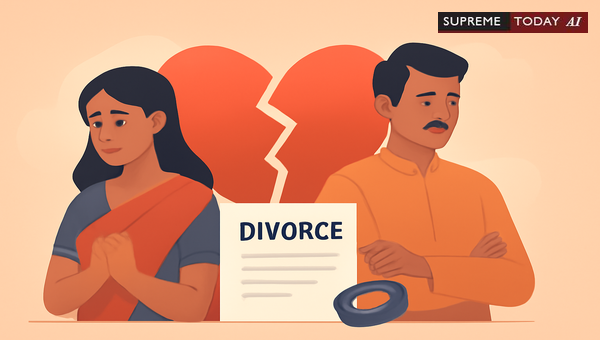
Divorce proceedings can be emotionally and legally challenging, especially for members of Scheduled Castes (SC) and Scheduled Tribes (ST) who navigate a unique intersection of personal laws, customary practices, and protective legislations like the SC/ST (Prevention of Atrocities) Act. If you're wondering about divorce for ST and SC, this guide breaks down the legal framework, key case laws, grounds for divorce, and practical recommendations. Note that this is general information based on established precedents and should not replace professional legal advice—consult a qualified lawyer for your specific situation.

Legal Framework Governing Divorce for SC/ST

The primary law for divorce among Hindus, including many SC and ST communities, is the Hindu Marriage Act, 1955 (HMA). However, its applicability depends on the parties' status at the time of marriage.

  • Hindu Marriage Act Applicability: The HMA applies based on status at marriage. Subsequent changes in status, such as recognition as a Scheduled Tribe, do not affect the jurisdiction of the court to entertain divorce petitions 2011 0 Supreme(Jhk) 536.
  • Customary Laws for ST: Members of Scheduled Tribes may not fall under the HMA if their marriage follows customary rites. Members of Scheduled Tribes may not be governed by the Hindu Marriage Act if their marriage is conducted according to customary laws, as stipulated in Section 2(2) of the Act 2023 0 Supreme(Telangana) 372 2022 0 Supreme(Chh) 607. Customary divorces, if properly executed, can be valid and may bar relief under the HMA 2024 0 Supreme(Guj) 135.

Grounds for Divorce

Divorce laws aren't uniform across communities, prompting calls for reform. Common grounds under HMA include cruelty, desertion, adultery, and mutual consent under Section 13B. The law relating to divorce is not uniform across different communities, and there is a call for reform to introduce grounds such as irretrievable breakdown of marriage and mutual consent applicable to all 1985 0 Supreme(SC) 207.

From case law:- Irretrievable Breakdown and Cruelty: The divorce petition was not only filed on the ground of irretrievable breakdown of marriage but also on the ground of cruelty which is also one of the grounds for divorce under the Divorce Act 2023 0 Supreme(Mad) 924.- Desertion: In one case, desertion from 2008 to 2013 justified a divorce decree 2024 5 Supreme 459.- Mutual Consent: Essential and must persist. Mutual consent to the divorce is a sine qua non for passing a decree for divorce under Section 13B. Mutual consent should continue till the divorce decree is passed 2023 0 Supreme(Ker) 281.

Courts uphold maintenance rights post-divorce. Mere divorce does not end the right to maintenance for the wife under Section 125 of the Criminal Procedure Code, as long as the parties have not made adjustments regarding maintenance 1978 0 Supreme(SC) 149.

Interplay with SC/ST (Prevention of Atrocities) Act

Divorce cases involving SC/ST often intersect with the SC/ST Act, which protects against atrocities but can be misused.

Misuse of SC/ST Act

Courts have highlighted the misuse of the SC/ST Act in cases involving property disputes or personal grievances that do not pertain to caste-based discrimination. For instance, property disputes between vulnerable sections do not automatically constitute an offence under the SC/ST Act unless the allegations are directly related to caste 2022 0 Supreme(Jhk) 665 2021 0 Supreme(MP) 225.

Anticipatory Bail Restrictions

The SC/ST Act creates a bar against anticipatory bail under Section 438 of the Criminal Procedure Code for offences under the Act, emphasizing the seriousness of allegations involving SC/ST individuals 2012 6 Supreme 605 2017 0 Supreme(SC) 1170.

Caste Verification

Prosecution must prove caste status. In cases where the caste of the victim is in question, the prosecution must establish that the victim belongs to a Scheduled Caste or Tribe for the SC/ST Act to apply. Failure to provide evidence of caste can lead to quashing of charges under the SC/ST Act 2022 0 Supreme(All) 887 1996 0 Supreme(MP) 518.

Insights from Recent Case Laws on Divorce Proceedings

Beyond SC/ST specifics, general divorce trends inform SC/ST cases:

  • Ex-Parte Decrees: These are granted without respondent appearance but can be challenged. Courts scrutinize procedural fairness, especially given divorce's lifelong impact

    Mansi Bhavin Dharani VS Bhavin Jagdish Dharani - Current Civil Cases

    2024 0 Supreme(Kar) 160.
  • Mutual Divorce Petitions: Preferred when parties agree without allegations. It is a common ground when parties agree for divorce and do not make any allegations against each other or withdraw allegations made against each other, the parties could have filed a Petition for mutual divorce 2023 0 Supreme(Bom) 449.
  • Foreign Judgments and Injunctions: Recognition requires compliance with Indian law; violations can complicate proceedings 2023 0 Supreme(Mad) 924.

In one instance, a trial court decree was upheld on merits, reversing appellate interference 2024 5 Supreme 459. These cases underscore procedural rigor.

Practical Recommendations for SC/ST Individuals

Navigating divorce requires careful planning:- Seek Specialized Legal Help: Engage lawyers versed in HMA, customary laws, and SC/ST Act nuances.- Verify Documentation: Prepare caste certificates early. Ensure that all necessary documentation regarding caste status is prepared and verified to avoid complications in legal proceedings.- Know Your Rights: Understand maintenance under CrPC Section 125 and protections under SC/ST Act. Educate clients about their rights under both the SC/ST Act and the Hindu Marriage Act, particularly regarding maintenance and divorce proceedings.- Consider Mutual Consent: If amicable, opt for Section 13B to expedite, ensuring consent holds till decree 2023 0 Supreme(Ker) 281.- Avoid Misuse: Frame disputes factually to prevent SC/ST Act counters.

Conclusion and Key Takeaways

The legal landscape for divorce for ST and SC blends HMA, customary laws, and SC/ST protections, demanding precision to avoid pitfalls like misuse or procedural errors. Reforms for uniform grounds like irretrievable breakdown could simplify matters 1985 0 Supreme(SC) 207. Key takeaways:- HMA applies unless customary marriage prevails 2023 0 Supreme(Telangana) 372.- Maintenance survives divorce 1978 0 Supreme(SC) 149.- Prove caste for SC/ST Act applicability 2022 0 Supreme(All) 887.- Prioritize documentation and expert counsel.

Disclaimer: This article provides general insights from case laws (References: 1978 0 Supreme(SC) 149 2012 6 Supreme 605 2011 0 Supreme(Jhk) 536 2022 0 Supreme(Jhk) 665 2021 0 Supreme(MP) 225 2023 0 Supreme(Telangana) 372 2022 0 Supreme(Chh) 607 2017 0 Supreme(SC) 1170 2022 0 Supreme(All) 887 1996 0 Supreme(MP) 518 2023 0 Supreme(Mad) 924 2023 0 Supreme(Ker) 281 2023 0 Supreme(Bom) 449

Mansi Bhavin Dharani VS Bhavin Jagdish Dharani - Current Civil Cases

2024 5 Supreme 459). Laws evolve; always seek personalized advice from a legal professional. #SCSTDivorce, #IndianDivorceLaws, #LegalRightsSCST
Chat Download
Chat Print
Chat R ALL
Landmark
Strategy
Argument
Risk
Chat Voice Bottom Icon
Chat Sent Bottom Icon
SupremeToday Portrait Ad
logo-black

An indispensable Tool for Legal Professionals, Endorsed by Various High Court and Judicial Officers

Please visit our Training & Support
Center or Contact Us for assistance

qr

Scan Me!

India’s Legal research and Law Firm App, Download now!

For Daily Legal Updates, Join us on :

whatsapp-icon Back to top