IPC 354C: Capturing Images of Women While Bathing – Key Legal Sections Explained
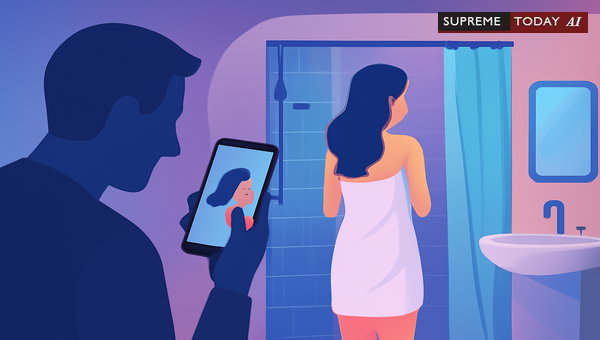
In an era of widespread smartphone usage, incidents of privacy invasion have surged, particularly cases involving the unauthorized capturing of images or videos of women in private moments, such as while bathing. What are the Sections for the Offence of Capturing the Image of Woman while she is Taking Bath? This question strikes at the heart of India's legal framework on voyeurism and privacy violations. While these acts may seem like mere peeping, they are serious criminal offences under specific provisions of the Indian Penal Code (IPC) and the Information Technology (IT) Act, 2000. This blog post breaks down the relevant laws, judicial interpretations, exceptions, and practical insights to help you understand your rights and the legal recourse available.
Note: This article provides general information based on legal provisions and case law. It is not a substitute for professional legal advice. Consult a qualified lawyer for specific cases.
The Core Offence: Voyeurism and Privacy Invasion
The primary law addressing the capturing of images of a woman engaged in private acts, like bathing, is Section 354C of the IPC, commonly known as the voyeurism provision. This section targets any man who watches or captures the image of a woman engaging in a private act in circumstances where she would usually have the expectation of not being observed... 2024 0 Supreme(Kar) 411 2023 0 Supreme(Del) 1634 2024 0 Supreme(Cal) 1060.
A 'private act' is explicitly defined in Explanation 1 to Section 354C: Private act includes an act of watching carried out in a place which, in the circumstances, would reasonably be expected to provide privacy and where the victim's genitals, posterior or breasts are exposed or covered only in underwear... 2024 0 Supreme(Kar) 411 2023 0 Supreme(Del) 1634 2024 0 Supreme(Cal) 1060. Bathrooms and lavatories typically qualify as such spaces, making the act of sneaking photos or videos a punishable offence. Courts have reinforced this by stating, Taking bath in a bathroom by any person, whether a male or a female, is essentially a ‘private act’ as it is taking place inside the four walls of the bathroom. 2023 0 Supreme(Del) 1634
Complementing IPC 354C are provisions from the IT Act, 2000:- Section 66E: Punishes the intentional capturing, publishing, or transmitting of an image of a person's private area without consent under circumstances violating privacy. Whoever, intentionally or knowingly captures, publishes or transmits the image of a private area of any person without his or her consent, under circumstances violating the privacy of that person, shall be punished... 2024 0 Supreme(Kar) 411 2024 0 Supreme(Ker) 1161 2024 0 Supreme(Cal) 1060.- Section 67: Targets the publishing or transmitting of obscene material in electronic form, applicable if the captured images are lascivious or appeal to prurient interest. Whoever publishes or transmits or causes to be published or transmitted in the electronic form, any material which is lascivious or appeals to the prurient interest... 2024 0 Supreme(Cal) 1060 2024 0 Supreme(Ker) 1161.
These sections together form a robust shield against digital privacy breaches.
Judicial Interpretations: What Courts Say
Indian courts have consistently upheld these provisions, emphasizing the reasonable expectation of privacy over the physical structure of the space. For instance, even a bathroom with curtains or temporary walls can qualify as private if privacy is reasonably expected. 2023 0 Supreme(Del) 1634
In cases involving maids or domestic workers, courts have linked voyeurism to broader sexual offences. One judgment denied anticipatory bail citing prima facie evidence of voyeurism alongside rape under IPC Sections 376(2)(k) and 354C, noting the gravity of such acts. 2024 0 Supreme(Kar) 557
However, courts quash proceedings if elements aren't met. In a quashment case under Section 482 CrPC, allegations of secretly photographing a woman standing on the road in front of her building did not attract Section 354C, as there was no private act or expectation of privacy. The court clarified: Observing and photographing a women engaging in a private act will amount to offence punishable under Section 354C of IPC. But public spaces don't qualify.
Satyabrata Barik @ Mithu VS State of West Bengal
Another case acquitted the accused due to lack of evidence like images on the phone, negating claims of capturing bath images. 2024 Supreme(Online)(TEL) 25042
These rulings highlight that prosecutions succeed when privacy expectation, capturing, and dissemination are proven.
Exceptions and Limitations: When It's Not an Offence
Not every photo in a bathroom scenario triggers these sections. Key limitations include:- Public or Semi-Public Spaces: If the woman is bathing in front of her house or an open area without secrecy, Section 354C doesn't apply. In the instant case, the de facto complainant was in front of her house, without any secrecy, as stated in Section 354C of the IPC and as such, the said offence would not attract. 2024 0 Supreme(Ker) 1161- Lack of Evidence: Mere presence near a bathroom isn't enough; proof of capturing images is essential. No scientific examination of devices can weaken cases. 2024 Supreme(Online)(TEL) 25042 2015 0 Supreme(P&H) 1235- Consent or Non-Private Acts: If consent exists for capture (though not dissemination), or if no private parts are exposed as defined, offences may not hold.
Courts also stress ingredients like the accused watching/capturing during a private act without expectation of observation. 2025 0 Supreme(Cal) 44
Related Offences and Broader Context
Voyeurism often overlaps with stalking (IPC 354D), assault on modesty (354A, 354B), or even rape threats using videos. In one case, an accused recorded his wife bathing to blackmail her, leading to charges under IPC 376 and 506. 2020 0 Supreme(Del) 1045
Stalking requires unwanted contact and repetition, distinguishing it from one-off voyeurism.
Satyabrata Barik @ Mithu VS State of West Bengal
In sexual harassment quashments, courts examine prima facie evidence; false claims with mala fides are dismissed. 2025 0 Supreme(Cal) 44
Delays in FIRs, inconsistent testimonies, or lack of forensics (e.g., no semen evidence post-bath) can lead to acquittals in related rape-voyeurism cases. 2016 0 Supreme(Bom) 562 2015 0 Supreme(P&H) 1235
Recommendations for Victims and Law Enforcement
- Victims: Report immediately, preserve devices, seek medical/forensic aid.
- Police: Verify privacy expectation via location evidence (curtains, walls). 2023 0 Supreme(Del) 1634
- Proceedings: Differentiate voyeurism (354C) from IT violations (66E,67).
Key Takeaways
- Primary Sections: IPC 354C for voyeurism; IT Act 66E (privacy breach), 67 (obscene transmission).
- Privacy is Key: Bathrooms qualify as private spaces. 2024 0 Supreme(Kar) 411
- Judicial Focus: Expectation of privacy trumps structure; evidence crucial.
- Act Now: These laws empower victims but require strong proof.
Understanding these provisions promotes awareness and deterrence. Stay vigilant about privacy in private spaces.
#IPC354C #VoyeurismLaw #PrivacyViolation