CPC Section 151: Permission to Repair and Renovate Suit Property
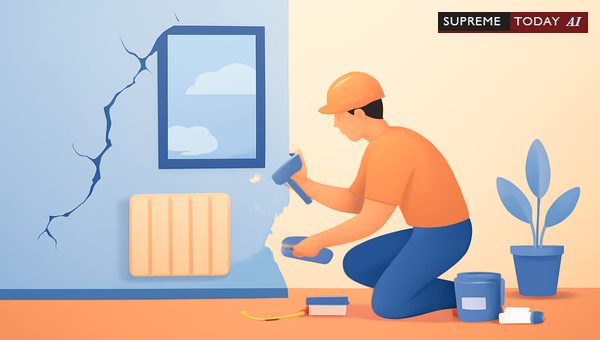
In property disputes, maintaining the suit property can become a pressing concern, especially when it's deteriorating during ongoing litigation. Imagine a tenant facing a leaky roof or a plaintiff watching their building crumble—can the court step in? This is where CPC Section 151 comes into play, granting courts inherent powers to permit repairs and renovations to suit property. But under what conditions? This guide explores the legal framework, key cases, and practical advice.
Overview of Section 151 CPC
Section 151 of the Civil Procedure Code (CPC) empowers courts to issue orders necessary for the ends of justice or to prevent abuse of the process of the court. This inherent power is often invoked for permission to repair and renovate suit property, particularly when the property is dilapidated or requires urgent fixes to avoid further damage or safety hazards. 2016 0 Supreme(Raj) 892
Courts balance preserving the property with maintaining the status quo, ensuring repairs don't prejudice either party. This provision acts as a safeguard during pendency of suits, allowing essential maintenance without resolving the core dispute.
Key Legal Principles for Granting Repairs
1. Inherent Power to Allow Repairs
Courts frequently use Section 151 to authorize repairs, especially to prevent collapse or safety risks. For example, in one case, the court permitted respondents to repair the property to halt further disrepair, stipulating no structural alterations. 2016 0 Supreme(Raj) 892
Similarly, tenants have been allowed to fix damaged roofs for habitability during possession suits. 1994 0 Supreme(Del) 812 A Local Commissioner may be appointed to verify the property's condition, bolstering the urgency claim. 2015 0 Supreme(Cal) 359
2. Essential Conditions Imposed by Courts
Permission isn't blanket; courts impose safeguards:- Undertakings: Parties must assure no changes to the property's outline or map. 2016 0 Supreme(Raj) 892- Reporting: Completion of repairs must be documented and reported back. 2016 0 Supreme(Raj) 892- No Material Alterations: Repairs should restore, not remodel substantially.
In a Calcutta High Court case, petitioners sought permission under Section 151 to repair existing water connection and unclog drains in suit premises, highlighting practical applications. 2025 Supreme(Online)(Cal) 3470
3. Urgency and Necessity as Deciding Factors
Urgency is pivotal. If the property risks safety or habitability, approvals are more likely. For instance:- A plaintiff was permitted repairs after defendants allegedly demolished parts of the house. 2024 Supreme(Online)(MP) 42188- Courts have directed early hearings for repair applications to avert deterioration, especially when defendants occupy the property. 2024 Supreme(Online)(DEL) 13055
Appointing a Local Commissioner under Order 26 Rule 9 can provide evidence of necessity. 2023 Supreme(Online)(MP) 24862
Limitations and When Permission is Denied
Not all requests succeed. Courts deny if:- A status quo order exists, prohibiting changes. 2022 0 Supreme(Raj) 154- Repairs seem unnecessary or non-urgent. 2016 0 Supreme(Raj) 892- They involve substantial remodeling, potentially prejudicing the suit.
In one Madhya Pradesh case, an application for repairs was dismissed due to no change in circumstances from prior orders.
HAREKRUSHNA SAHU vs STATE OF ODISHA - Orissa
Another rejected repairs as minimal damage didn't warrant intervention.
2023 Supreme(Online)(MP) 24903Applications under Order 39 Rule 7 or Section 151 for inspections and repairs have been dismissed if not tied to suit progress. 2023 Supreme(Online)(MP) 24862
Insights from Judicial Precedents
Recent cases reinforce a pro-preservation stance:- Damage by Opposing Party: Where defendants damaged the suit house (doors, windows), courts allowed plaintiff repairs under Section 151. 2024 Supreme(Online)(MP) 42188- Interior Works Pre-Litigation: Respondents in possession commenced repairs before injunctions; courts weighed possession rights. 2022 Supreme(Online)(Kar) 33937- Fire or Demolition Contexts: Permissions granted for non-prejudicial fixes post-damage. 2022 Supreme(Online)(Kar) 33937
Courts emphasize: Section 151 CPC is often used to facilitate necessary repairs in suit properties, balancing the rights of parties and the preservation of property during litigation. Multiple rulings (e.g., 2025 Supreme(Online)(Cal) 3470, 2024 Supreme(Online)(MP) 42188) show approvals when plaintiff occupies or damage is evident.
In partition or eviction suits, Section 151 supports procedural orders without dismissing plaints prematurely. 2022 0 Supreme(MP) 1388
Practical Recommendations for Litigants
Seeking permission? Follow these steps:- Demonstrate Urgency: Use photos, expert reports, or Local Commissioner findings.- File Undertakings: Commit to status quo preservation.- Address Counterarguments: Tackle existing injunctions head-on.- Seek Early Hearing: For time-sensitive issues. 2024 Supreme(Online)(DEL) 13055
Prepare applications under Section 151 alongside Orders 39 or 26 for stronger cases. Note: Panels or owners may grant initial permissions, later ratified in suits. 2018 0 Supreme(Bom) 345
Conclusion and Key Takeaways
CPC Section 151 offers a vital tool for suit property maintenance, preventing waste while litigation unfolds. Courts typically grant permissions for urgent, non-alterative repairs, as seen in cases like 1994 0 Supreme(Del) 812 and 2025 Supreme(Online)(Cal) 3470. However, success hinges on proving necessity without breaching status quo.
Key Takeaways:- Highlight risks like collapse or uninhabitability.- Comply strictly with court conditions.- Use Local Commissioners for evidence.- Respect existing orders to avoid denials.
This article provides general information based on judicial trends and is not legal advice. Consult a qualified lawyer for your specific situation.
References
2014 0 Supreme(Del) 2720 2016 0 Supreme(Raj) 892 2022 0 Supreme(Cal) 1294 1994 0 Supreme(Del) 812 2015 0 Supreme(Cal) 359 2022 0 Supreme(Raj) 154
HAREKRUSHNA SAHU vs STATE OF ODISHA - Orissa
2023 Supreme(Online)(MP) 24903 2023 Supreme(Online)(MP) 24862 2022 0 Supreme(MP) 1388 2025 Supreme(Online)(Cal) 3470 2024 Supreme(Online)(DEL) 5094 2024 Supreme(Online)(MP) 42188 2022 Supreme(Online)(Kar) 33937 2024 Supreme(Online)(DEL) 13055
#CPCSection151, #SuitPropertyRepair, #LegalRepairs