
SupremeToday Landscape Ad

AI Overview

AI Overview...

GST Compliances for Purchase of Spices from Unregistered Suppliers

Main Points and Insights

  • Purchases from Unregistered Suppliers & RCM Liability When purchasing spices, especially raw cotton or cardamom, from unregistered suppliers or agriculturists, buyers are required to pay GST under the Reverse Charge Mechanism (RCM). This is mandated under GST Act provisions, notably Notification No.43 of 2017 (e.g., 2024 Supreme(Online)(GUJ) 7778, 2024 0 Supreme(Guj) 376, 2025 0 Supreme(Guj) 1652, USER). The buyer must ensure compliance by paying GST directly to the government if the supplier is unregistered. Notices and assessments (e.g., Form GST ASMT-10, DRC-01A) have been issued to address defaults in RCM payments (2024 0 Supreme(Guj) 376, 2024 Supreme(Online)(GUJ) 7778).

  • Documentation & Evidence for Purchases Buyers are expected to maintain proper documentation such as purchase ledgers, invoices, E-way bills, and bank statements to substantiate their transactions, especially when dealing with unregistered suppliers. Proper invoices issued by registered suppliers are crucial, and if suppliers are unregistered, the buyer's responsibility is to self-account for GST under RCM (2025 0 Supreme(Guj) 1652, 2023 0 Supreme(Del) 5481, 2025 Supreme(Online)(ITAT) 3562).

  • Legal and Regulatory Framework Under GST Rules, the recipient of goods from unregistered suppliers must self-assess and pay GST under RCM. If the supplier's registration is canceled or deemed invalid retrospectively, the buyer’s input tax credit (ITC) claims may be challenged, but authorities cannot disallow ITC solely on registration status if the buyer has paid the tax (2025 0 Supreme(Guj) 1652, 2024 0 Supreme(Guj) 376).

  • Input Tax Credit (ITC) & Recovery Buyers who have claimed ITC based on valid invoices from registered suppliers must ensure that the supplier has paid the output tax. If the supplier defaults, the government can recover the tax from the supplier, not the buyer. Buyers who have paid tax and hold proper documentation should not be penalized for supplier defaults (2025 0 Supreme(Guj) 1652, 2023 0 Supreme(Del) 5481).

  • Trade and Export Considerations For spices like cardamom, purchases are often made only through GST-compliant invoices to ensure traceability and compliance, especially for export purposes. Buyers and traders are advised to purchase only from registered dealers and maintain GST invoices for transparency and legal compliance (2025 Supreme(Online)(Mad) 67077).

  • Tendering & Registration Thresholds In procurement, unregistered dealers can participate up to certain thresholds (e.g., Rs. 20 lakhs for tenders), after which GST registration becomes mandatory. This affects compliance and documentation requirements in trade and tender processes (2023 Supreme(Online)(KER) 2617).

Analysis and Conclusion

  • Compliance Necessity Buyers purchasing spices from unregistered suppliers must adhere to GST RCM provisions by paying applicable GST directly to the government and maintaining comprehensive documentation. Proper invoicing from registered suppliers simplifies compliance and ITC claims.

  • Legal Risks & Remedies Non-compliance, such as failure to pay RCM or inadequate documentation, can lead to notices, penalties, and disallowance of ITC. However, if buyers can demonstrate payment and valid invoices, they are generally protected from liability for supplier defaults.

  • Best Practices

  • Purchase only from GST-registered suppliers and obtain valid invoices and E-way bills.
  • Maintain detailed purchase records, bank statements, and GST filings.
  • Ensure timely payment of GST under RCM for unregistered suppliers.
  • For exports and trade fairs, source only from GST-registered dealers to ensure traceability and compliance.

References:- 2024 0 Supreme(Guj) 376, 2024 Supreme(Online)(GUJ) 7778, 2025 0 Supreme(Guj) 1632, 2025 Supreme(Online)(Mad) 67077, 2023 Supreme(Online)(KER) 2617, 2023 0 Supreme(Del) 5481, 2025 Supreme(Online)(ITAT) 3562

GST Compliance Obligations for Spice Procurement from Unregistered Suppliers

GST Compliance for Buying Spices from Unregistered Suppliers

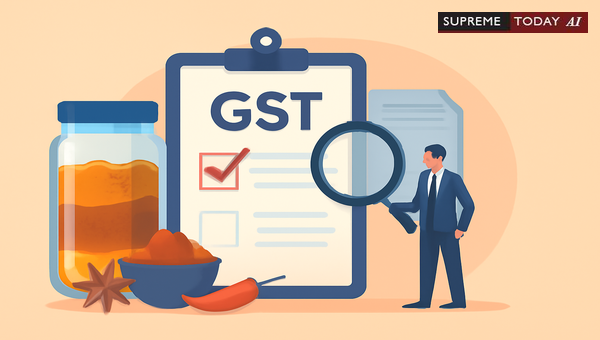
In the bustling spice trade of India, sourcing spices like cardamom, turmeric, chili, and coriander from unregistered suppliers is common, especially from local agriculturists or small vendors. However, under the Goods and Services Tax (GST) regime, such transactions trigger specific compliance obligations. The key question arises: What are the GST compliances for purchase of spices from unregistered suppliers?

This blog post breaks down the legal principles, requirements, risks, and best practices based on GST laws and judicial insights. While this provides general guidance, it is not legal advice—consult a GST expert for your specific situation.

Understanding GST Rules for Unregistered Suppliers

Under GST, businesses can purchase from unregistered suppliers, but this often invokes the Reverse Charge Mechanism (RCM). When buying spices from unregistered persons (e.g., farmers or small traders), the buyer typically becomes liable to pay GST directly to the government. This is mandated under provisions like Notification No.43/2017 and related GST Act sections. For instance, purchases of spices such as raw cotton or cardamom from unregistered suppliers or agriculturists require RCM payment. 2024 Supreme(Online)(GUJ) 7778 2024 0 Supreme(Guj) 376 2025 0 Supreme(Guj) 1652

The recipient can still claim Input Tax Credit (ITC) on the GST paid under RCM, provided they comply with documentation rules. As per legal precedents, The recipient of goods can claim Input Tax Credit (ITC) on GST paid for local procurement, including spices, even if sourced from unregistered suppliers. This is contingent upon compliance with the relevant provisions of the GST Act. 2023 0 Supreme(SC) 439

Key Compliance Requirements

1. Reverse Charge Mechanism (RCM) Obligations

For spices procured from unregistered suppliers, buyers must self-assess and pay applicable GST under RCM. Authorities have issued notices (e.g., Form GST ASMT-10, DRC-01A) for RCM defaults. Buyers are required to pay GST under the Reverse Charge Mechanism (RCM). This is mandated under GST Act provisions, notably Notification No.43 of 2017. 2024 0 Supreme(Guj) 376 2024 Supreme(Online)(GUJ) 7778 2025 0 Supreme(Guj) 1652

Failure to do so can lead to assessments and penalties. Even if the supplier later gets registered or their status is questioned, buyers who pay RCM timely are generally protected.

2. Documentation and Record-Keeping

Proper records are crucial for ITC claims and audits:- Invoices and Receipts: Maintain purchase ledgers, E-way bills, and bank statements. For unregistered suppliers, issue a self-invoice under RCM.- Bank Transactions: Payments via banking channels ensure traceability. However, mere compliance with banking transactions does not legitimize fraudulent transactions if the underlying documents are found to be fabricated. 2021 0 Supreme(P&H) 424

Buyers are expected to maintain proper documentation such as purchase ledgers, invoices, E-way bills, and bank statements to substantiate their transactions. 2025 0 Supreme(Guj) 1652 2023 0 Supreme(Del) 5481 2025 Supreme(Online)(ITAT) 3562

In one case involving spices purchase, the complainant alleged payments to suppliers like Manvi Traders for large cardamom, highlighting the need for verifiable records. 2025 Supreme(Online)(DEL) 292

3. Input Tax Credit (ITC) Eligibility

ITC is available on GST paid under RCM or via supplier invoices, but only with valid documents. It is essential to maintain proper documentation, including invoices and payment receipts, to substantiate the claim for ITC. The absence of valid documentation may lead to challenges in claiming ITC. 2023 0 Supreme(SC) 439

If a supplier's registration is canceled retrospectively, ITC isn't automatically disallowed if the buyer paid the tax. Buyers who have claimed ITC based on valid invoices from registered suppliers must ensure that the supplier has paid the output tax. If the supplier defaults, the government can recover the tax from the supplier, not the buyer. 2025 0 Supreme(Guj) 1652 2023 0 Supreme(Del) 5481

Traders processing spices (e.g., cleaning turmeric or chili) often buy from agricultural markets and must ensure RCM compliance for unregistered sources. 2022 1 Supreme 469

Legal Risks and Penalties

Non-compliance carries serious consequences:- Penalties and Confiscation: Under Sections 129 and 130 of the CGST Act, goods and vehicles can be confiscated. Non-compliance with GST regulations can lead to penalties, including confiscation of goods and vehicles involved in the transaction. 2019 0 Supreme(Guj) 984- Fraudulent Suppliers: Verify legitimacy, as If suppliers are found to be non-existent or fraudulent, it may lead to legal repercussions for the purchaser. 2021 0 Supreme(Del) 2409

Invoices without GST, as seen in some commodity trades, raise red flags. 2021 0 Supreme(All) 538 For exports, only GST-compliant invoices ensure traceability. 2025 Supreme(Online)(Mad) 67077

Tender processes limit unregistered participation (e.g., up to Rs. 20 lakhs), affecting spice procurement. 2023 Supreme(Online)(KER) 2617

Best Practices and Recommendations

To mitigate risks:- Verify Suppliers: Conduct due diligence on registration status. Prefer registered dealers for simplicity.- Pay RCM Timely: Self-account GST for unregistered purchases and claim ITC.- Robust Documentation: Keep comprehensive records, including GST returns.- Consult Experts: Given the complexities involved in GST compliance, consider consulting with tax professionals or legal experts. 2023 0 Supreme(SC) 439- For Exports/Trade: Source from registered suppliers for cardamom or other spices to meet Spices Board requirements. 2024 Supreme(Online)(MAD) 43571

It is therefore incumbent upon the executive Departments... to advise the agencies of the compliances expected from them in the GST regime. 2021 0 Supreme(Mad) 844

Conclusion and Key Takeaways

Purchasing spices from unregistered suppliers demands strict GST adherence, particularly RCM, documentation, and ITC protocols. While permissible, lapses can invite penalties, ITC denials, and audits. By prioritizing registered suppliers, maintaining records, and paying RCM, businesses can safeguard operations.

Key Takeaways:- Pay GST under RCM for unregistered spice purchases. 2024 0 Supreme(Guj) 376- Document everything for ITC defense. 2023 0 Supreme(SC) 439- Verify suppliers to avoid fraud. 2021 0 Supreme(Del) 2409- Seek professional advice for compliance.

This is general information based on GST laws and cases; laws evolve, so verify with authorities. References: 2023 0 Supreme(SC) 439 2021 0 Supreme(P&H) 424 2019 0 Supreme(Guj) 984 2021 0 Supreme(Del) 2409 2025 Supreme(Online)(DEL) 292 2024 Supreme(Online)(MAD) 43571 2022 1 Supreme 469 2021 0 Supreme(All) 538 2021 0 Supreme(Mad) 844 2024 0 Supreme(Guj) 376 2024 Supreme(Online)(GUJ) 7778 2025 0 Supreme(Guj) 1652 2023 0 Supreme(Del) 5481 2025 Supreme(Online)(ITAT) 3562 2025 Supreme(Online)(Mad) 67077 2023 Supreme(Online)(KER) 2617
#GSTCompliance, #SpicesTrade, #TaxTipsIndia
Chat Download
Chat Print
Chat R ALL
Landmark
Strategy
Argument
Risk
Chat Voice Bottom Icon
Chat Sent Bottom Icon
SupremeToday Portrait Ad
logo-black

An indispensable Tool for Legal Professionals, Endorsed by Various High Court and Judicial Officers

Please visit our Training & Support
Center or Contact Us for assistance

qr

Scan Me!

India’s Legal research and Law Firm App, Download now!

For Daily Legal Updates, Join us on :

whatsapp-icon Back to top





