SupremeToday Landscape Ad

AI Overview

AI Overview...

  • Removal and Reconstitution of Child Welfare Committee Members - Main points and insights:
  • Members of Child Welfare Committees (CWCs) can be reappointed or removed based on procedures outlined in the Juvenile Justice Act, 2015, and associated rules. For instance, Section 7 of the Act provides for removal reasons, requiring prior hearing ["2025 Supreme(Online)(Mad) 73628"].
  • The tenure of committee members is typically three years, with extensions possible based on performance evaluations by oversight committees ["2025 Supreme(Online)(Mad) 73628"], ["2023 0 Supreme(J&K) 92"].
  • Appointment of members involves a selection process by a competent committee, ensuring candidates meet specified qualifications, and performance assessments influence reappointments ["2023 0 Supreme(Kar) 546"], ["2023 0 Supreme(J&K) 92"].
  • Removal or termination must follow due process, including proper jurisdiction and authority, such as the District Selection Committee or designated authorities, avoiding unilateral actions by individual members without proper jurisdiction ["2023 0 Supreme(AP) 81"].
  • Certain cases involve interim orders or stay on removal, often due to legal proceedings or challenges against the appointment or removal process ["2025 Supreme(Online)(Ker) 56162"].
  • The composition of CWCs includes various qualified professionals, and their appointment is subject to adherence to statutory criteria to ensure responsible functioning ["2025 0 Supreme(Ker) 1772"], ["2024 0 Supreme(Bom) 309"].

  • Impact of Removal and Appointment on Functioning:

  • The functioning of CWCs can be hindered if appointments are delayed or if there are disputes over the validity of appointments or removals. For example, interim orders have been granted to allow members to continue functioning pending legal resolution ["2025 Supreme(Online)(Ker) 56162"].
  • Proper procedures and adherence to legal protocols are essential for maintaining the integrity and effectiveness of CWCs, especially since their role involves sensitive child welfare and protection matters ["2022 0 Supreme(All) 1300"], ["2025 0 Supreme(All) 3644"].

  • Specific Cases and Legal Positions:

  • Courts emphasize the importance of following due process, including proper jurisdiction and evidence-based decisions, when removing or appointing members ["2023 0 Supreme(AP) 81"], ["2025 Supreme(Online)(Mad) 73628"].
  • The welfare of the child remains the paramount consideration in custody and welfare decisions, sometimes overriding procedural objections ["2023 0 Supreme(All) 1405"], ["2022 0 Supreme(P&H) 27"].
  • Legal challenges to appointments or removals often involve allegations of bias or procedural lapses, with courts scrutinizing whether proper procedures were followed ["2025 Supreme(Online)(Ker) 56162"], ["2025 0 Supreme(Ker) 1772"].

Analysis and Conclusion:- The removal or reconstitution of Child Welfare Committee members must strictly follow the procedures prescribed in the Juvenile Justice Act and related rules, including proper jurisdiction, hearing, and evidence evaluation ["2025 Supreme(Online)(Mad) 73628"], ["2023 0 Supreme(AP) 81"].- Appointment and reappointment processes involve transparent selection criteria, performance evaluations, and adherence to statutory qualifications, ensuring the competence and responsibility of members ["2023 0 Supreme(Kar) 546"], ["2023 0 Supreme(J&K) 92"].- Courts have consistently held that due process is crucial, and any deviation can render removals or appointments invalid, impacting the effective functioning of CWCs ["2025 Supreme(Online)(Ker) 56162"], ["2025 Supreme(Online)(Mad) 73628"].- Ultimately, the welfare of the child remains the guiding principle, and procedural lapses in member appointment or removal should not compromise the child's best interests ["2023 0 Supreme(All) 1405"], ["2022 0 Supreme(P&H) 27"].

References:- ["2025 Supreme(Online)(Ker) 56162"]- ["2025 0 Supreme(Ker) 1772"]- ["2023 0 Supreme(All) 295"]- ["2023 0 Supreme(AP) 81"]- ["2024 0 Supreme(Bom) 309"]- ["2026 Supreme(Online)(Tri) 26"]- ["2022 0 Supreme(All) 1300"]- ["2023 0 Supreme(J&K) 92"]- ["2024 0 Supreme(All) 446"]- ["2025 Supreme(Online)(Mad) 73628"]- ["2023 0 Supreme(P&H) 1483"]- ["2025 0 Supreme(All) 3662"]- ["2022 Supreme(Online)(Mad) 81130"]- ["2022 0 Supreme(P&H) 27"]- ["2023 0 Supreme(All) 1405"]

Removing CWC Members Under JJ Act 2015: Procedure, Grounds, and Judicial Standards

Removing CWC Members: Grounds & Procedure Under JJ Act 2015

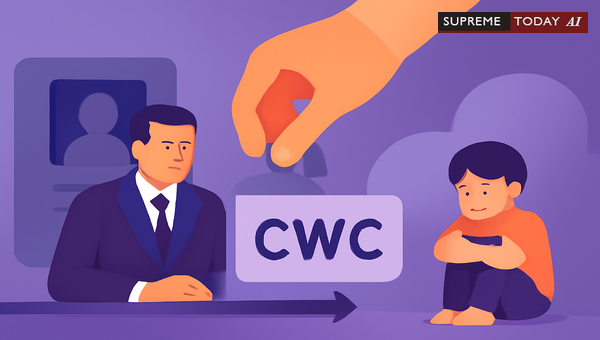
In the realm of child protection in India, the Child Welfare Committee (CWC) plays a pivotal role in safeguarding children in need of care and protection. However, what happens when a CWC member engages in misconduct or neglects their duties? A common legal question arises: Removal of Members of Child Welfare Committee. Understanding the process is crucial for stakeholders, including state governments, social workers, and legal professionals involved in child welfare.

This blog post delves into the legal framework, grounds, and procedures for removing CWC members, primarily governed by the Juvenile Justice (Care and Protection of Children) Act, 2015 (JJ Act). We'll explore key provisions, real-world case insights, and best practices, while emphasizing that this is general information and not specific legal advice. Consult a qualified lawyer for personalized guidance.

Legal Framework for CWC Member Removal

The primary statutory provision for removing a member from the Child Welfare Committee is outlined in the JJ Act, 2015. While initial references point to Section 7(2), judicial interpretations and related rules clarify the process under Section 27(7), which contemplates removal upon finding guilt in an inquiry for misuse of power or other breaches. 2021 0 Supreme(Chh) 21

The removal of a member of the Child Welfare Committee is contemplated under sub-section 7 of section 27 of the Act, 2015... 2021 0 Supreme(Chh) 21

This section ensures that CWCs, constituted by the State Government for every district (typically a Chairperson and four members, including at least one woman and a child expert), operate with integrity. 2021 0 Supreme(Chh) 21

The State Government or designated authority holds oversight powers, aligning with the Act's goal to protect children's rights while maintaining accountability among committee members. 2023 6 Supreme 105

Grounds for Removal of CWC Members

Members can typically be removed for specific grounds, ensuring the committee's effectiveness in handling cases like child custody, rehabilitation, and protection:

  • Misconduct or Improper Conduct: Engaging in activities that undermine the committee's mandate, such as misuse of power. 2023 6 Supreme 105 2021 0 Supreme(Chh) 21
  • Neglect of Duty: Failure to perform responsibilities, like impartial decision-making in child welfare matters.
  • Violation of Rules: Breaching JJ Act provisions or state-specific guidelines.

In one case, allegations of election campaigning were scrutinized but deemed insufficient without proper inquiry, highlighting that vague claims alone cannot justify removal. The court noted: ...the removal can be made only when it is found in enquiry that a person is guilty of misuse of power vested under the Juvenile Justice Act... 2021 0 Supreme(Chh) 21

Courts stress that removals must not stigmatize dedicated social workers without evidence, as past services in child welfare should be considered. 2021 0 Supreme(Chh) 21

Step-by-Step Procedure for Removal

The removal process is designed to uphold principles of natural justice, including a fair hearing and transparency. Here's how it generally unfolds: 2023 6 Supreme 105

  1. Initiation of Inquiry: Triggered by complaints to the State Government or appropriate authority upon reports of misconduct.
  2. Show-Cause Notice: The member receives a formal notice detailing allegations, allowing them to respond. Failure to provide originals or clear evidence (e.g., photographs) can invalidate the process. 2021 0 Supreme(Chh) 21
  3. Conducting a Hearing: An impartial inquiry follows, where the member can present their defense. The process involves an inquiry and the opportunity for the member to be heard before removal. 2023 6 Supreme 105
  4. Reasoned Order: If guilt is established, a written removal order citing specific grounds is issued. This must be communicated clearly.
  5. Adherence to Natural Justice: Bias, moral judgments, or procedural lapses (e.g., no opportunity to respond) render the order challengeable, as seen in custody-related CWC decisions. 2024 0 Supreme(Ker) 1152

For instance, in a custody dispute, the court quashed a CWC order for lacking natural justice: The Child Welfare Committee found the mother unfit... The impugned order was quashed, and custody was restored to the mother. 2024 0 Supreme(Ker) 1152

Oversight Authority and Related Considerations

The State Government typically wields the power to remove members post-inquiry, ensuring compliance with JJ Act rules. 2023 6 Supreme 105

Additional factors include:- Appointment Compliance: Improper selection can lead to removal; members must meet statutory qualifications.- Documentation: All steps require proper records to withstand judicial scrutiny.- Child-Centric Focus: Removals indirectly impact child welfare, as CWCs handle critical roles like declaring children 'in need of care and protection' under Section 31.

Manisha Maheshwari VS State of Haryana

In another context, CWCs must prioritize child welfare over parental rights: In custody matters, welfare of child and not right of parties is of paramount importance.

Manisha Maheshwari VS State of Haryana

Cases also underscore CWC inquiries in remand homes or trafficking: For example, a major's release from a remand home was granted respecting constitutional rights under Articles 19 and 21. 2022 0 Supreme(Pat) 102

Insights from Judicial Precedents on CWC Operations

Judicial rulings provide valuable context on CWC accountability:

  • Improper Orders and Disrespect: In a case involving child handover, quashing charges against a father for allegedly disrespecting CWC orders emphasized that oral directives without legal backing lack enforceability. 2021 0 Supreme(Mad) 2794
  • Registration and Compliance: CWCs oversee homes for children, ensuring registration under JJ Act and Orphanages Act, 1960. Non-compliance by institutions triggers CWC intervention. 2016 0 Supreme(Mad) 2596 2015 0 Supreme(Ker) 680

Institutions/Orphanages, which are registered under 1960 Act also need compulsory registration under the 2000 Act to house a child... 2015 0 Supreme(Ker) 680

These precedents reinforce that CWC members must act judiciously, as flawed processes invite court intervention.

Key Takeaways and Recommendations

  • Removal under Section 27(7) of the JJ Act, 2015, is permissible for misconduct, neglect, or rule violations, but only after a fair inquiry. 2023 6 Supreme 105 2021 0 Supreme(Chh) 21
  • Always follow natural justice: notice, hearing, and reasoned orders.
  • State Governments hold primary authority; ensure documentation for validity.

Recommendations:- Conduct impartial inquiries promptly.- Review state guidelines alongside the JJ Act.- For members facing removal, challenge via writ petitions if procedural fairness is lacking.

In summary, while CWCs are vital for child protection, member accountability through structured removal processes maintains public trust. This balance protects vulnerable children and upholds democratic principles. For case-specific advice, seek professional legal counsel.

This post is for informational purposes only and does not constitute legal advice.

#ChildWelfareCommittee, #JJAct2015, #CWCRemoval
Chat Download
Chat Print
Chat R ALL
Landmark
Strategy
Argument
Risk
Chat Voice Bottom Icon
Chat Sent Bottom Icon
SupremeToday Portrait Ad
logo-black

An indispensable Tool for Legal Professionals, Endorsed by Various High Court and Judicial Officers

Please visit our Training & Support
Center or Contact Us for assistance

qr

Scan Me!

India’s Legal research and Law Firm App, Download now!

For Daily Legal Updates, Join us on :

whatsapp-icon Back to top