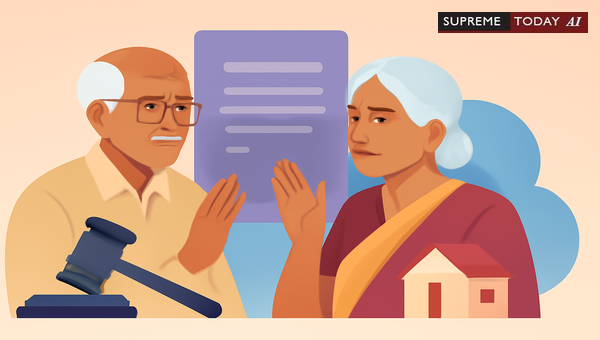
Civil Disputes Cannot Be Agitated Under the Maintenance and Welfare of Parents and Senior Citizens Act, 2007
In an aging society like India, ensuring the welfare of senior citizens and parents is paramount. The Maintenance and Welfare of Parents and Senior Citizens Act, 2007 (the Act) was enacted to provide swift relief for elderly individuals facing neglect or harassment from children or relatives. However, a common misconception arises: Can a civil dispute be agitated under the Maintenance and Welfare of Parents and Senior Citizens Act 2007? The answer, as clarified by numerous judicial precedents, is generally no. This Act is not a catch-all for property battles or contractual disagreements—it's strictly for maintenance and welfare issues. This post delves into the nuances, backed by court rulings, to help families understand their rights and remedies.
Note: This article provides general information based on legal precedents and is not a substitute for professional legal advice. Consult a qualified lawyer for your specific situation.
Overview of the Act's Purpose
The Act aims to protect senior citizens (aged 60+) and parents unable to maintain themselves, guaranteeing their right to food, clothing, residence, and medical care under Article 41 of the Constitution. 2022 0 Supreme(Ker) 194 It establishes Maintenance Tribunals for quick resolution of claims, allowing orders for maintenance up to ₹10,000 monthly and eviction from property if children harass or evict parents. 2022 0 Supreme(Mad) 2267
Key objective: Provide a summary procedure for welfare, not a full civil trial. Courts emphasize that the Senior Citizens Act, 2007, is a social welfare law created to protect and support elderly parents and senior citizens who cannot maintain themselves. 2025 0 Supreme(MP) 508
Nature of Disputes Covered Under the Act
1. What Qualifies?
The Act targets:- Neglect or harassment leading to non-maintenance.- Eviction protection for seniors from their own homes.
Eviction orders are permissible when there is evidence of harassment or non-maintenance. However, if the core issue is civil—like title to property or tenancy rights—the tribunal steps back. 2023 0 Supreme(Del) 3042 2023 0 Supreme(Del) 3107
For instance, tribunals can order eviction if necessary and expedient to ensure maintenance and protection of the senior citizen, but only after considering competing claims. If children hold enforceable civil rights, parents must pursue regular eviction suits. 2023 0 Supreme(Pat) 649
2. What Doesn't Qualify? Civil Disputes
Civil disputes, such as:- Property ownership battles.- Contract interpretations (e.g., sale deeds).- Title disputes.
cannot be litigated here. Courts have consistently held that disputes regarding property rights or contractual interpretations should be resolved in civil courts, not under the provisions of the Act. 1996 6 Supreme 586 In one case, the court noted that any dispute relating to the interpretation of private contracts cannot be agitated under a writ petition, as it falls within the realm of private law. 1996 6 Supreme 586
The Act is not a substitute for civil litigation. It offers a summary mechanism for maintenance, but broader issues demand civil courts. 2021 0 Supreme(Bom) 1669 2022 0 Supreme(MP) 620
Judicial Precedents Limiting the Act's Scope
Indian courts have repeatedly drawn boundaries:- Eviction Upheld, But Civil Claims Separate: In a notable ruling, an eviction order stood, but petitioners were directed to civil courts for property claims. 2023 0 Supreme(Del) 3042 2023 0 Supreme(Del) 3107- Dismissal of Petitions: A challenge to eviction was dismissed as civil in nature, remanding it to civil court. 2022 0 Supreme(MP) 620
Recent cases reinforce this:- Tribunals must assess if children have legally enforceable civil right in the property. Eviction via the Act may be invalid otherwise, requiring due process of law. 2023 0 Supreme(Pat) 649- Even in tenancy scenarios, if admitted in title suits, eviction orders were quashed for fresh review. 2023 0 Supreme(Pat) 649
Conflicts with Other Laws: Domestic Violence Act
Tensions arise with the Protection of Women from Domestic Violence Act, 2005 (PWDV Act). A woman's right to reside in a shared household (Section 17) cannot be easily overridden by summary eviction under the Senior Citizens Act.
Right of a woman to secure residence order in respect of a shared household cannot be defeated by simple expedient of securing order of eviction by adopting summary procedure under Senior Citizens Act, 2007.
Hiral Valjibhai Bhua VS Manjulaben Manjibhai Savaliya
2023 0 Supreme(Guj) 62Courts harmonize: If the property is the mother-in-law's and she was forcibly dispossessed, eviction may proceed under Section 23. But PWDV rights prevail where applicable, analyzing dominant purposes.
Hiral Valjibhai Bhua VS Manjulaben Manjibhai Savaliya
Principles: Later special acts or harmonization guide conflicts—Primary effort of Interpreter must be to harmonize, not excise.
Hiral Valjibhai Bhua VS Manjulaben Manjibhai Savaliya
Appeals and Remedies Outside the Act
Appeals under Section 16 are limited: Only senior citizens or parents who are aggrieved can appeal, not children/relatives. Appeal u/s. 16 is maintainable only at instance of senior citizen or parent, not at instance of any aggrieved person. 2025 0 Supreme(MP) 508
Children aren't remediless—writs under Article 226 challenge tribunal orders. Remedy of writ petition under Art. 226 is always available to any citizen... even a civil Court. 2025 0 Supreme(MP) 508
District Magistrates enforce compliance (Section 22), monitoring tribunals. 2022 0 Supreme(Ker) 194
Practical Recommendations
- For Seniors/Parents: Substantiate claims with evidence of harassment/non-maintenance. Tribunals offer speedy relief for pure welfare issues. 2023 0 Supreme(Chh) 8
- For Children/Relatives: If facing eviction, assert civil rights in regular courts. Avoid using the Act for property grabs.
- Expedited Processes: Courts urge quick disposal for senior safety, like monitoring residences. 2020 0 Supreme(Del) 1049
In one directive: Expedited disposal of complaints and investigation reports to ensure the safety and security of senior citizens. 2020 0 Supreme(Del) 1049
Conclusion and Key Takeaways
The Maintenance and Welfare of Parents and Senior Citizens Act, 2007, empowers tribunals for elderly protection but excludes general civil disputes. Property or contract issues belong in civil courts to uphold due process.
Key Takeaways:- Act for maintenance/eviction due to neglect—yes.- Civil title disputes—no, head to civil courts. 1996 6 Supreme 586 2021 0 Supreme(Bom) 1669- Harmonize with laws like PWDV Act.
Hiral Valjibhai Bhua VS Manjulaben Manjibhai Savaliya
- Appeals limited; use
writs if needed.
2025 0 Supreme(MP) 508Families should prioritize dialogue and mediation. For regulation of old age homes or broader welfare, states must implement guidelines actively. 2022 0 Supreme(Mad) 2267
Stay informed, respect elders' dignity, and seek civil remedies appropriately. This ensures justice without misusing welfare laws.
References:- 1996 6 Supreme 586 2021 0 Supreme(Bom) 1669 2023 0 Supreme(Del) 3042 2023 0 Supreme(Del) 3107 2022 0 Supreme(MP) 620- 2025 0 Supreme(MP) 508 2023 0 Supreme(Pat) 649
Hiral Valjibhai Bhua VS Manjulaben Manjibhai Savaliya
2023 0 Supreme(Guj) 62 2022 0 Supreme(Ker) 194 2020 0 Supreme(Del) 1049
#SeniorCitizensAct #ElderlyRights #CivilDisputes